The Science Behind Tea Blending: Optimizing Health Benefits
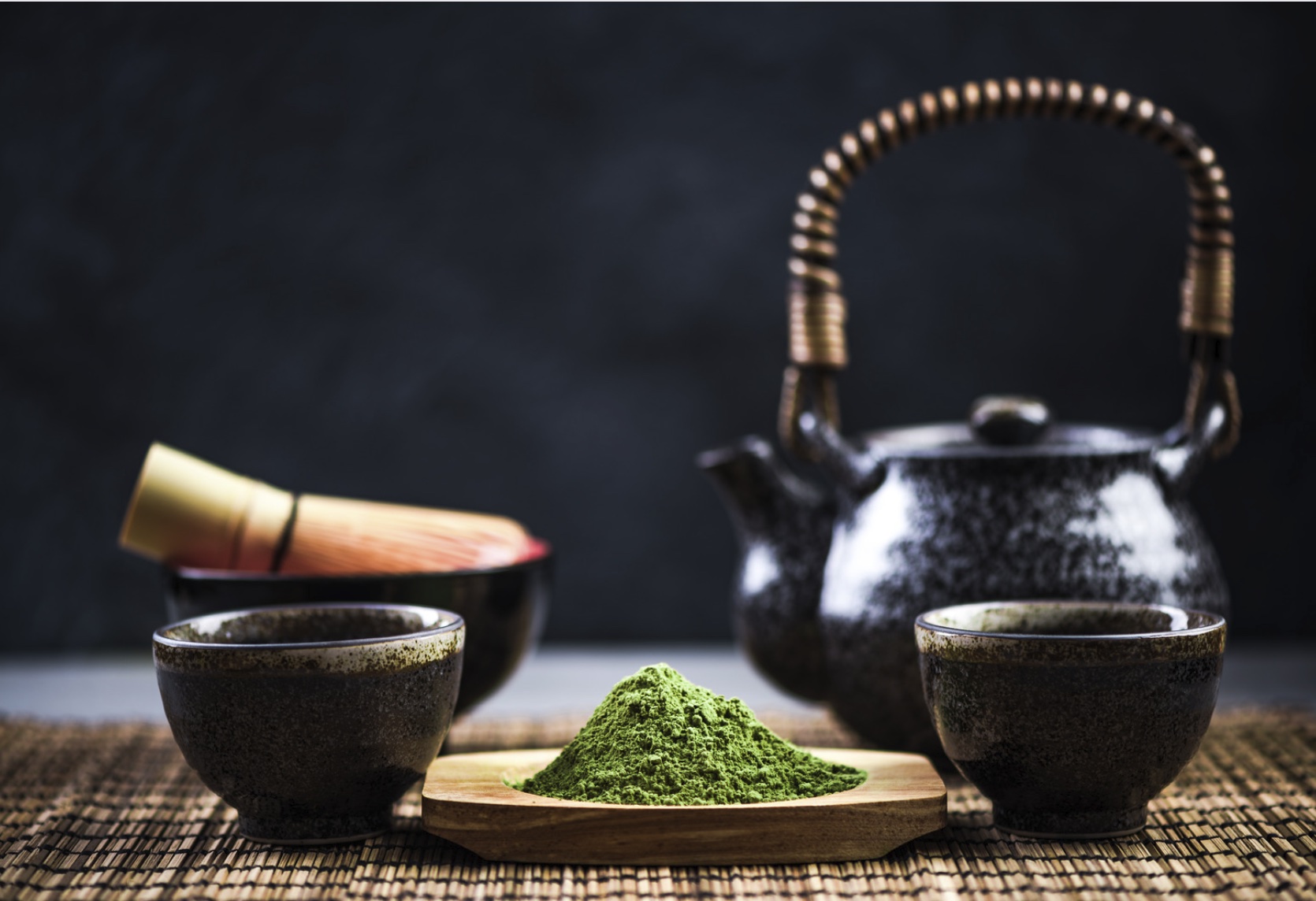
Tea blending is an art that combines the expertise of different types of tea to create unique and flavorful blends. This practice has been cherished for centuries, not only for its distinct taste but also for its health benefits. In this article, we will delve into the science behind tea blending, understanding its health impacts and the factors that contribute to the quality of blends.
What is Tea Blending?
The Art of Tea Blending
tea blending is an intricate art that involves the skillful combination of various tea types such as green, black, white, oolong, and herbal teas to produce distinctive flavors and aromas. It is a creative process that requires expertise and an understanding of the characteristics of different teas to achieve the desired taste profile. The art of tea blending dates back centuries, with tea masters and enthusiasts honing their craft to create unique blends that cater to diverse palates.
- Ingredient Selection:The first step in tea blending is the careful selection of tea leaves. Different varieties such as Assam, Darjeeling, and Sencha are chosen for their unique characteristics.
- Flavor Profiling:Tea blenders skillfully assess the flavor profiles of each tea type and experiment with different combinations to achieve balanced and harmonious tastes.
- Aroma Enhancement:Blending involves the enhancement of aromas to create a multi-sensory experience. This is achieved by combining fragrant ingredients such as jasmine, bergamot, and rose petals.
- Cultural Significance: The art of tea blending goes beyond taste and aroma – it is deeply intertwined with various cultural practices, traditions, and ceremonies around the world.
- Custom Blends: Tea blending allows for the creation of custom blends tailored to specific preferences, creating a personalized tea-drinking experience.
Health Benefits of Blended Teas
Blended teas are a delightful combination of various tea types, herbs, botanicals, and natural flavorings, offering a symphony of flavors and a plethora of health benefits. The art of tea blending is not only an exploration of taste but also a journey into wellness and vitality. Let’s delve deeper into the health benefits of blended teas:
- Enhanced Antioxidant Properties: Blended teas combine different tea varieties, resulting in a higher concentration of antioxidants. These powerful compounds play a key role in reducing oxidative stress and promoting overall health.
- Improved Digestive Health:Certain herbs and botanicals used in blended teas, such as ginger and peppermint, have been traditionally known for their digestive benefits. Blending these ingredients with tea can provide a soothing effect on the digestive system.
- stress reduction and relaxation:the combination of calming herbs like chamomile and lavender with tea creates a blend that promotes relaxation, reduces stress, and supports mental well-being.
- Immune System Support:Blended teas often incorporate immune-boosting herbs like echinacea and elderberry, providing a natural defense against common illnesses.
Understanding the unique combination of bioactive compounds in blended teas sheds light on their positive impact on our health and well-being. Incorporating these diverse blends into our daily routine can be a flavorful and beneficial approach to a healthier lifestyle.
The Science of Tea Blending
Bioactive Compounds in Tea
Tea blending involves the incorporation of bioactive compounds present in different tea varieties. These compounds, such as polyphenols and catechins, contribute to the antioxidant properties and potential health benefits of blended teas. Understanding the specific bioactive compounds present in different teas and their interaction when blended is essential in unraveling the science behind tea blending and its impact on human health.
Mechanisms of Tea Blending
Tea blending is an intricate art that involves the skillful combination of various tea leaves, herbs, and botanicals. The process of tea blending is governed by several mechanisms that determine the harmonious fusion of flavors, aromas, and beneficial compounds. Let’s delve into the intricate mechanisms that contribute to the science of tea blending:
- Leaf Size:The size and shape of tea leaves impact the brewing process and the release of flavors. For example, smaller leaves may infuse faster, resulting in a bolder taste, while larger leaves may offer a more delicate flavor.
- flavor profiles:each tea leaf and botanical has its own unique flavor profile, which can range from earthy and robust to floral and delicate. Understanding these flavor profiles is crucial in achieving a balanced and harmonious blend.
- Aroma Characteristics:The aroma of tea is influenced by the volatile compounds present in the leaves and botanicals. Different aroma characteristics, such as sweet, woody, or citrusy notes, contribute to the overall sensory experience of the blend.
Mastering the mechanisms of tea blending enables the creation of well-rounded blends that offer a multi-dimensional sensory experience. It involves the precise balance of flavors, aromas, and bioactive compounds to produce exceptional tea blends that captivate connoisseurs. The art of tea blending is a fascinating fusion of science, creativity, and sensory appreciation.
Effect of Blending on Antioxidants
Blending different types of teas can have a profound effect on the antioxidant properties of the resulting blend. The interaction between the antioxidants present in individual teas can lead to synergistic effects, enhancing the overall antioxidant capacity of the blended tea. Exploring the impact of blending on antioxidants provides valuable insights into the scientific implications of tea blending on human health and well-being.
Factors Impacting Health Benefits
Selection of Base Teas
The selection of base teas is a crucial factor in determining the health benefits and flavor characteristics of blended teas. different types of base teas, such as green, black, white, and oolong teas, contribute distinct attributes to the blended tea, affecting its overall health-promoting properties. Understanding the diverse characteristics of base teas and their role in blended teas is essential in optimizing the health benefits of the final blend.
Base teas are the foundation of blended teas and play a significant role in determining the flavor, aroma, and health benefits of the final product. Let’s delve deeper into the unique characteristics of each type of base tea:
Green tea is renowned for its delicate flavor and numerous health benefits. Its high antioxidant content and natural polyphenols make it a popular choice for promoting overall well-being. Moreover, it imparts a refreshing and rejuvenating taste to blended teas.
black tea, known for its robust flavor and rich color, adds depth and intensity to blended teas. The presence of flavonoids and theaflavins in black tea contributes to its potential health-boosting properties, making it a versatile base tea option.
white tea, with its subtle and sweet taste, brings a gentle and mellow character to blended teas. Its low caffeine content and abundance of antioxidants make it a favorable choice for those seeking a mild yet healthful infusion.
Oolong tea, with its unique semi-oxidized nature, offers a complex combination of flavors and aromas. This makes it a captivating base tea for creating layered and nuanced blended teas, appealing to those with a penchant for tea exploration.
Incorporation of Herbs and Botanicals
The incorporation of herbs and botanicals in tea blending introduces a spectrum of health-enhancing compounds and unique flavor profiles. Herbs such as chamomile, peppermint, and lavender, along with botanicals like lemongrass and hibiscus, contribute diverse phytonutrients and aromatic compounds to the blended teas. Exploring the impact of incorporating herbs and botanicals in tea blending provides valuable insights into the multifaceted health benefits of blended teas.
Benefits of Herbs in Tea Blending:
- Chamomile:Known for its calming and anti-inflammatory properties, chamomile adds a delicate floral note to the blend as well as promoting relaxation and aiding digestion.
- Peppermint: Renowned for its refreshing and digestive properties, peppermint imparts a cooling sensation and helps alleviate stomach discomfort.
- Lavender: Not only does lavender contribute a floral and slightly sweet aroma to the tea, but it also possesses calming and stress-relieving benefits.
- Role of Botanicals:
- Lemongrass: With its citrusy and refreshing profile, lemongrass complements the blend while offering antibacterial and immune-boosting properties.
- Hibiscus:Known for its vibrant crimson color and tart flavor, hibiscus brings a touch of acidity and offers cardiovascular and immune system support.
Role of Flavorings and Extracts
Flavorings and extracts play a significant role in enhancing the taste and aroma of blended teas. Natural flavorings such as citrus peels, ginger, and vanilla, as well as extracts like bergamot oil and jasmine essence, contribute to the sensory appeal of the blended teas. Understanding the scientific influence of flavorings and extracts on the overall tea blending process sheds light on the art of creating captivating and health-promoting blends.
Understanding Caffeine Content
Understanding the caffeine content in blended teas is essential for individuals seeking specific health effects and flavor profiles. Blending different tea varieties with varying caffeine content allows for the customization of blends to cater to diverse preferences. By exploring the impact of caffeine content on the health properties and sensory characteristics of blended teas, one gains comprehensive insights into the scientific considerations of tea blending.
- Tea Variety: Different types of tea, such as black, green, white, and oolong, possess varying levels of caffeine. Understanding how these variations contribute to the overall caffeine content of blended teas is crucial for creating well-balanced flavor profiles.
- Processing Techniques: The processing methods used for different tea varieties affect the retention or reduction of caffeine. For instance, the oxidation process for black tea results in higher caffeine content compared to the minimal oxidation of white and green teas.
- Blending Ratios:Adjusting the proportions of high-caffeine and low-caffeine teas in a blend offers a spectrum of caffeine levels to suit different tastes and desired effects on the body.
The caffeine content in blended teas can influence various health properties, including:
- Energy Boost: Higher caffeine levels in blends provide a natural energy boost, making the tea a popular choice for morning consumption.
- Mental Alertness:Caffeine stimulates the central nervous system, enhancing mental alertness and concentration in moderate amounts.
- Metabolism Support:Studies suggest that caffeine can potentially aid in weight management by boosting metabolism and promoting fat oxidation.
Understanding the specific health benefits associated with varying caffeine levels in blended teas allows individuals to make informed choices based on their wellness goals and lifestyle needs.
Tea Blending Techniques
Traditional Blending Methods
Traditional tea blending methods encompass age-old practices that have been refined over generations. These methods often involve handcrafting tea blends, meticulously combining different tea leaves, herbs, and botanicals to create harmonious flavors. Exploring the traditional blending methods unveils the cultural significance and the scientific precision employed in crafting timeless and revered blended teas. The infusion of tradition and science in these techniques embodies the artistry of tea blending.
When delving into the history of traditional blending methods, it becomes apparent that these practices have been passed down through generations, each contributing to the evolution of tea blending. The techniques and practices involved in traditional blending are deeply rooted in cultural rituals and customs, reflecting the rich heritage of tea-making.
Furthermore, the cultural significance of traditional blending methods extends beyond the craft itself. These methods are closely intertwined with social gatherings, ceremonies, and everyday rituals, enhancing the communal experience of tea consumption.
On the scientific front, traditional blending methods demonstrate a remarkable level of precision in their approach. From understanding the molecular composition of different tea leaves and botanicals to the meticulous process of blending, these methods highlight the scientific knowledge and expertise utilized in creating balanced and nuanced flavors.
The artistry of tea blending is exemplified through the seamless integration of tradition and science. It’s a harmonious fusion of heritage, precision, and creativity, resulting in the creation of timeless blends that epitomize the essence of tea culture.
Modern Blending Approaches
Modern tea blending approaches integrate advanced technological processes and scientific knowledge to create innovative and precise blends. From automated blending and precise measurement of ingredients to flavor profiling and quality control, modern techniques enhance the consistency and precision of blended teas. Delving into the modern blending approaches provides insights into how science and technology have revolutionized the art of tea blending, shaping contemporary tea culture and flavor diversity.
Optimizing Health Benefits
Customizing Blends for Specific Health Goals
Customizing blended teas to address specific health goals involves a scientific understanding of the synergistic effects of different tea varieties and botanicals. By tailoring blends to target wellness objectives, such as stress relief, immune support, or digestive health, the science of tea blending empowers individuals to optimize their tea consumption for overall well-being. Exploring the customization of blends for specific health goals elucidates the personalized and scientific approach to reaping the health benefits of blended teas.
Best Practices for Steeping Blends
- Understanding the optimal steeping parameters is crucial for extracting the full flavor and health benefits from blended teas.
- Water temperature plays a significant role in the steeping process. Different blends may require specific temperature ranges to achieve the desired results.
- Steeping time is an important factor. The duration of steeping can greatly influence the strength and taste of the infused blend.
- The use of infusers impacts the quality of the steeping process. Choosing the right infuser can enhance the extraction of desirable compounds, contributing to a more satisfying tea experience.
Embracing the best practices for steeping blends empowers tea enthusiasts to unlock the nuanced flavors and wholesome benefits encapsulated in the blends, elevating their tea-savoring journey to new heights.
Storage and Shelf Life Considerations
The storage and shelf life of blended teas are influenced by various factors that are crucial to preserving their freshness, flavor, and quality. Understanding these elements is essential for tea enthusiasts who seek to maintain the integrity and enjoy the full benefits of their favorite blends.
- Proper Containers:The choice of containers for storing blended teas is critical. Tea should be stored in airtight, opaque containers to protect it from light and humidity, which can degrade its quality over time.
- Temperature Control:Maintaining a consistent, cool temperature is important for preserving the freshness and flavor of blended teas. Excessive heat can expedite the breakdown of essential oils and flavor compounds in the tea leaves.
- Air Quality:Poor air quality can adversely affect the stored teas. Keeping tea away from strong odors and contaminants is vital to prevent the absorption of unwanted flavors and aromas.
- Shelf Life Extension: Understanding the factors that influence the shelf life of blended teas enables enthusiasts to prolong the freshness and quality of their teas, ensuring a delightful tea experience with every cup.
Conclusion
Tea blending is an amalgamation of art, tradition, and science, embodying the intricate fusion of flavors, aromas, and health benefits. From the meticulous selection of base teas to the artful incorporation of herbs and botanicals, the science behind tea blending unfolds a world of possibilities for crafting blends that resonate with diverse preferences and wellness objectives. By understanding the scientific underpinnings of tea blending, individuals can elevate their tea experiences, enjoying a harmonious union of tradition, innovation, and well-being.