Exploring Herbal Tea Blends for Better Health
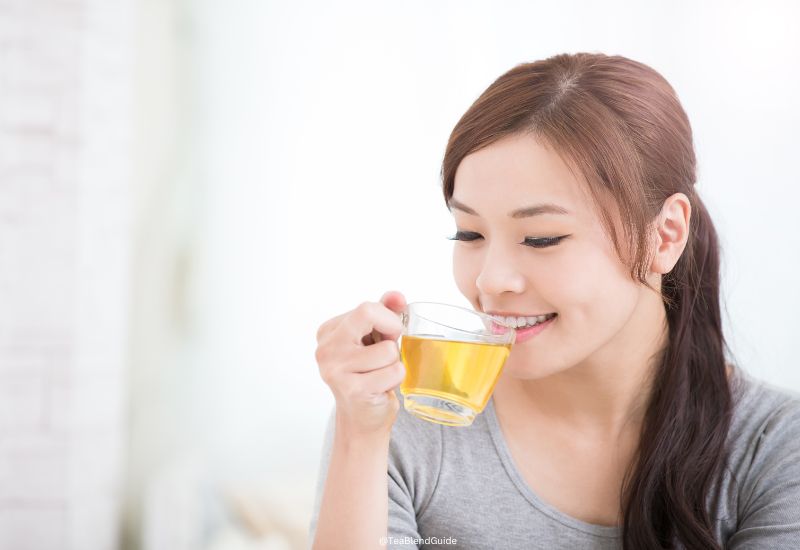
Welcome to the wonderful world of herbal tea blends! In this article, we’re going to explore the rich and diverse landscape of herbal tea blends, understanding their benefits, how to make them at home, and even delving into some popular blends. So, grab a cup of your favorite herbal blend, and let’s begin this delightful journey of discovery.
What are Herbal Tea Blends?
Understanding Herbal Tea
Herbal tea, also known as tisane, is an infusion made from steeping herbs, spices, flowers, or other plant material in hot water. unlike true tea, which is derived from the camellia sinensis plant, herbal tea blends are caffeine-free and often prized for their therapeutic properties.
Types of Herbal Tea Blends
When it comes to herbal tea blends, there is a delightful array of options to explore, each with its own distinctive flavors, aromas, and wellness benefits. Let’s delve into the fascinating world of herbal tea blends and discover the diverse range of blends that cater to various preferences and health needs.
- Chamomile:Renowned for its calming properties, chamomile blends offer a soothing and relaxing experience, making it an ideal choice for winding down after a long day.
- Lavender:With its gentle floral notes, lavender blends promote tranquility and can help ease stress and tension.
If you’re in need of an energy boost, invigorating herbal tea blends can provide the perfect pick-me-up:
- Peppermint: Known for its refreshing minty flavor, peppermint blends are a go-to option for revitalizing the senses and supporting digestion.
- ginger and turmeric:these blends offer a warm and spicy kick, along with potential anti-inflammatory properties to invigorate the body and mind.
Exploring herbal tea blends opens up a world of exquisite tastes and holistic wellness, allowing you to elevate your tea-drinking experience while nurturing your well-being.
Health Benefits of Herbal Tea Blends
Digestive Health
Herbal tea blends have long been celebrated for their digestive benefits, with ingredients like ginger, fennel, and peppermint aiding in digestion, reducing bloating, and soothing the stomach. These blends offer a natural and comforting way to support digestive wellness.
- Improving Digestive Function: Herbal tea blends containing ginger and fennel can help to improve digestive function by stimulating the production of digestive enzymes and reducing symptoms of indigestion.
- Reducing Bloating:Peppermint, included in many herbal tea blends, has been shown to have a calming effect on the digestive system and can help reduce bloating and gas.
- Soothing the Stomach: The soothing properties of herbal tea blends can provide relief for an upset stomach, helping to ease discomfort and promote digestive comfort.
Stress Relief and Relaxation
Herbal tea blends have been used for centuries as natural remedies for stress relief and relaxation. They offer a variety of soothing and calming properties that can help individuals unwind and find tranquility amidst the hustle and bustle of daily life. When it comes to stress reduction, the following herbal tea blends are particularly effective:
- Lavender:Known for its gentle sedative properties, lavender tea can promote relaxation and ease tension. It is often used to alleviate anxiety and promote restful sleep.
- Chamomile: Chamomile tea is well-known for its calming effects, making it an excellent choice for reducing stress and promoting relaxation. It can also help with digestive issues, which are commonly linked to stress.
- Lemon Balm:This herb is renowned for its ability to uplift the mood and induce a sense of calm. Lemon balm tea can be particularly beneficial for those experiencing stress-related symptoms such as irritability and restlessness.
In addition to these popular choices, there are several other herbal tea blends that offer stress-relieving properties. For example, passionflower tea, valerian root tea, and holy basil tea are known for their relaxation-promoting effects. These herbal remedies provide a natural and gentle way to manage stress and find respite in today’s fast-paced world.
Immune System Support
Herbal tea blends are known for their powerful immune-supporting properties, providing a natural way to strengthen the body’s defense system. Here’s a deeper look into the immune-boosting ingredients in herbal tea blends:
- Echinacea:Echinacea is a well-known herb that stimulates the immune system, helping the body fight off infections more effectively. It also has anti-inflammatory properties, promoting overall wellness.
- Elderberry:This dark purple fruit is rich in antioxidants and vitamins that play a crucial role in supporting the immune system. Elderberry has been used for centuries to enhance immune function and combat colds and flu.
- Rosehip:Rich in vitamin C and other nutrients, rosehip contributes to a strong and healthy immune system. It also possesses anti-inflammatory and antioxidant properties, aiding in the body’s natural defense against illnesses.
Furthermore, the consumption of herbal tea blends can lead to improved immune responses, reduced inflammation, and better overall health. By incorporating these immune-boosting ingredients into everyday wellness routines, individuals can enjoy a flavorful and effective way to fortify their bodies and promote overall well-being.
Weight Management
herbal teas have long been used to support weight management and promote a healthy lifestyle. When combined with a balanced diet and regular exercise, certain herbal tea blends can offer metabolism-boosting properties that aid in weight management. Let’s explore some key herbal tea blends renowned for their weight management benefits:
- Green Tea: Known for its antioxidant properties, green tea can enhance metabolism and promote fat oxidation, contributing to weight management goals.
- Dandelion Tea:This herbal tea is valued for its diuretic properties, helping to reduce water weight and bloating, thus supporting weight management efforts.
- Cinnamon Tea Blends:Cinnamon is often incorporated into tea blends for its ability to regulate blood sugar levels and improve metabolism, making it beneficial for weight management.
In addition to its metabolism-boosting effects, herbal teas can aid in appetite control, promote hydration, and provide a delightful alternative to high-calorie beverages. Embracing the benefits of herbal teas is an excellent way to support holistic weight management and overall well-being.
Here is a table summarizing the health benefits of various herbal tea blends based on the provided sources:
| Herbal Tea BlendHealth BenefitsChamomile Tea– Promotes better sleep – Reduces anxiety and depression – Aids in digestion and soothes gastrointestinal issues – May improve heart health – Helps in managing diabetes – Anti-inflammatory propertiesGinger Tea– Aids digestion – Reduces inflammation – Helps prevent nausea – May improve cardiovascular health – Enhances immune function | |
|---|---|
| Peppermint Tea | – Eases digestive troubles – May relieve headaches and migraines – Helps with menstrual cramps – Antimicrobial and antiviral properties |
| Echinacea Tea | – Boosts the immune system – Reduces inflammation – May help with respiratory conditions – Antiviral and antimicrobial effectsLavender Tea– Improves sleep quality – Reduces anxiety and stress – Helps in skin health and healing – May aid in pain reliefMint Tea– Digestive benefits – respiratory health benefits – Hormonal benefits – Mental health benefits |
How to Make Herbal Tea Blends at Home
Choosing the Right Herbs and Ingredients
When preparing herbal tea blends at home, it’s essential to select high-quality organic herbs and ingredients to ensure optimal flavors and therapeutic benefits. From soothing chamomile to zesty ginger, choosing the right elements is key to crafting a delightful blend.
Consider the following factors when choosing herbs and ingredients for your homemade herbal tea blends:
- Flavor Profiles: Different herbs and ingredients offer a wide range of flavors, from sweet and floral to spicy and earthy. Understanding the flavor profiles can help you create balanced and harmonious blends.
- Therapeutic Benefits: Each herb and ingredient carries unique health benefits. For example, peppermint is known for its digestive properties, while lavender offers relaxation and stress relief. Selecting herbs based on their therapeutic properties can enhance the wellness aspects of your herbal tea blends.
- Quality and Freshness:Opt for organic, high-quality herbs and ingredients to ensure the purity and potency of your herbal tea blends. Freshness plays a vital role in the flavor and effectiveness of the herbs, so sourcing from reputable suppliers is crucial.
Preparing and Brewing Herbal Tea
Brewing herbal tea blends involves infusing the chosen herbs and ingredients in hot water, allowing their flavors and beneficial properties to steep. The brewing process varies for different blends, and mastering the art of preparation ensures a perfect cup of herbal bliss each time.
Exploring Popular Herbal Tea Blends
Chamomile and Lavender Blend
The gentle floral notes of chamomile harmonize beautifully with the soothing aroma of lavender, creating a blend that promotes relaxation and restful sleep. This delightful infusion is a favorite choice for winding down after a long day.
Peppermint and Ginger Blend
The invigorating zest of peppermint complemented by the subtle warmth of ginger forms a blend that revitalizes the senses and aids in digestion. This refreshing fusion is ideal for energizing moments and digestive support.
Hibiscus and Rosehip Blend
The bright and tangy hibiscus combined with the subtle tartness of rosehip results in a vibrant blend packed with vitamin C and antioxidant properties. This refreshing infusion is a delightful way to support overall wellness.
When it comes to the Hibiscus and Rosehip blend, there are numerous benefits that make it a go-to choice for tea enthusiasts. Here are some key benefits:
- Rich in Vitamin C: Both hibiscus and rosehip are naturally high in vitamin C, which is essential for supporting the immune system and promoting healthy skin.
- Antioxidant Powerhouse: The combination of hibiscus and rosehip provides a potent dose of antioxidants, helping to combat free radicals and support overall health.
- Cardiovascular Support: Studies have shown that the compounds present in hibiscus and rosehip may have a positive impact on heart health, including supporting healthy blood pressure levels.
- Anti-Inflammatory Properties: The blend offers anti-inflammatory benefits, making it a soothing choice for those looking to reduce inflammation in the body.
The flavor profile of the Hibiscus and Rosehip Blend is a delightful fusion of tangy and tart notes, creating a refreshing and revitalizing experience. The hibiscus adds a bright, fruity flavor, while the rosehip contributes a subtle tartness, resulting in a well-balanced and invigorating blend.
To fully appreciate the Hibiscus and Rosehip Blend, it’s essential to brew it correctly. Here’s a simple guide to brewing the perfect cup:
- Boil fresh, filtered water and allow it to cool slightly to around 200°F (93°C).
- Place the hibiscus and rosehip blend in a teapot or infuser.
- Pour the hot water over the tea blend and let it steep for 5-7 minutes to extract the full flavor and benefits.
- Strain the infusion and pour into a cup to enjoy the vibrant and revitalizing experience.
Conclusion
As we conclude our exploration of herbal tea blends, it’s evident that these delightful infusions offer a myriad of flavors and holistic benefits. Whether it’s for relaxation, digestion, immunity, or simply savoring a moment of tranquility, herbal tea blends provide a diverse and enriching experience. So, as you embark on your journey of discovering and savoring these blends, may each cup fill you with warmth, wellness, and pure herbal delight.