Creating Health-Promoting Tea Blends: A Beginner's Guide
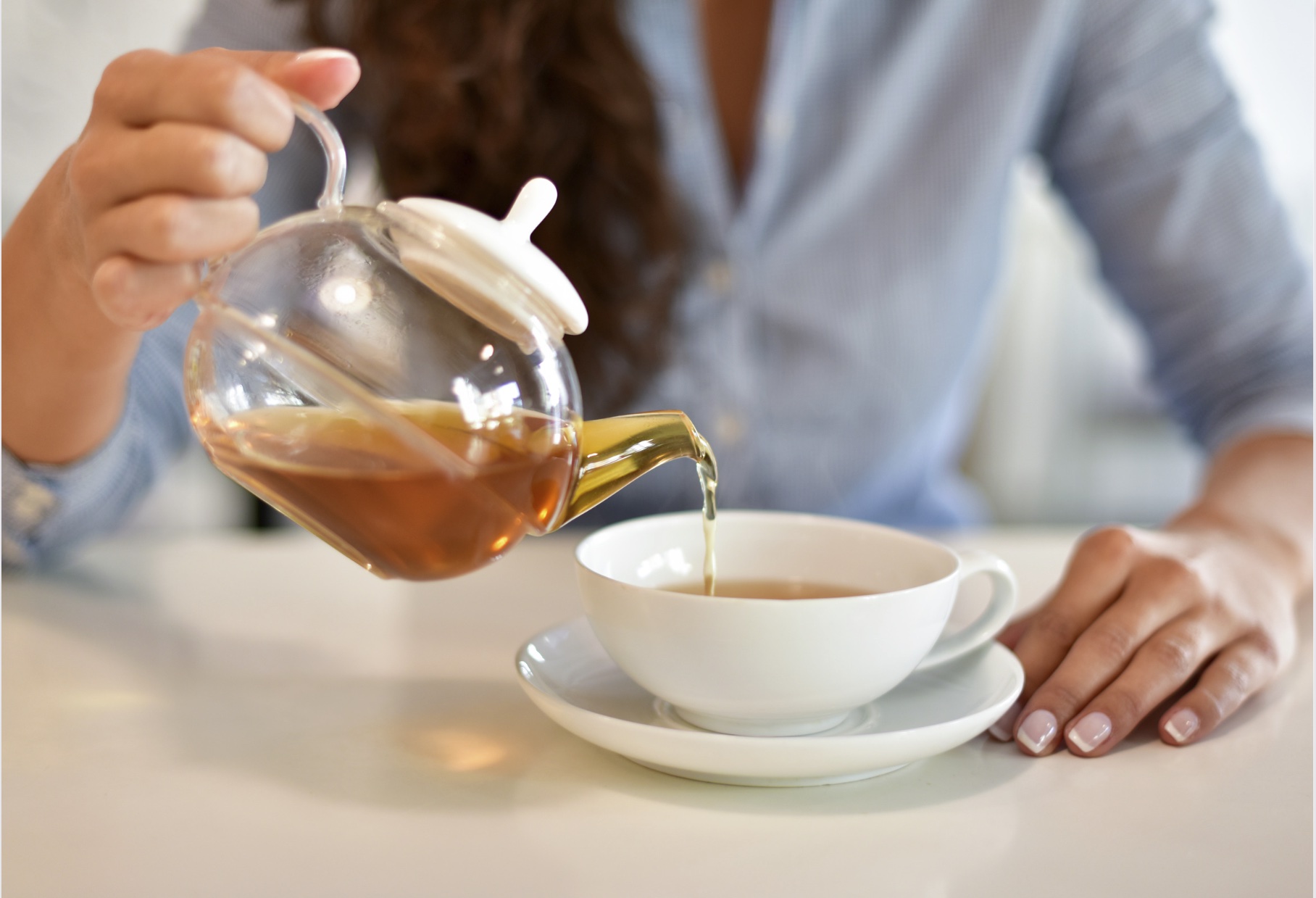
Welcome to the world of tea blending, where the art and science of combining different types of teas and herbs come together to create health-promoting blends that are both nourishing and delightful. In this comprehensive guide, we will explore the fascinating realm of tea blending, including its methods, benefits, and optimal brewing techniques. Whether you are a tea enthusiast or curious about the health benefits of tea, this article will provide you with valuable insights into creating health-promoting tea blends.
Understanding Tea Blending
What is Tea Blending?
tea blending is the art of combining different types of tea and other ingredients to create unique flavor profiles and blends. It involves a meticulous process of selecting, mixing, and carefully balancing various tea leaves, herbs, spices, and flowers to achieve desired taste, aroma, and color.
Understanding the Basics of Tea Blending
Before delving into the intricate process of tea blending, it’s essential to understand the fundamental aspects that contribute to the art of blending:
- flavor profiles:each type of tea and ingredient contributes distinct flavors, tones, and aromas. Blenders must have a deep understanding of these characteristics to create harmonious blends.
- Balance:Achieving the perfect balance of flavors and aromas is crucial in tea blending. This requires expert knowledge and a keen sense of taste to ensure that no single element overpowers the blend.
- Quality Assessment:Blending also involves assessing the quality of individual tea leaves and ingredients to maintain high standards and consistency in the final blend.
- Creativity:While traditional blends are treasured, creativity plays a vital role in inventing new, innovative tea combinations.
The Tea Blending Process
The process of tea blending is both an art and a science. It involves the following key steps:
- Selection: Careful selection of tea leaves, herbs, spices, and other ingredients based on the desired flavor profile and characteristics.
- Testing:Testing and tasting different combinations to identify the ideal mix of flavors and aromas.
- Adjustment: Fine-tuning the blend to achieve the perfect balance and consistency.
- Packaging:Once the ideal blend is achieved, packaging and storing the blended tea to preserve its freshness and quality.
The Art of Pairing
Tea blends can be further enhanced by pairing them with complementary flavors, such as food pairings and additions like honey, milk, or citrus.
Benefits of Tea Blending
Tea blending offers a wide array of benefits that cater to diverse preferences and health-conscious consumers. Let’s delve deeper into the various advantages:
- Customized Flavor Profiles: By blending different types of tea, individuals can create unique and personalized flavor profiles that suit their taste preferences.
- Enhanced Aroma:Blending teas allows for the creation of delightful and aromatic blends that awaken the senses and offer an indulgent experience with every sip.
- Health Benefits: Blending various types of tea can enhance the potential health benefits by combining the properties of different teas, offering a well-rounded and nourishing beverage option.
- Increased Variety:Tea blending provides a vast array of options, allowing individuals to explore and enjoy a myriad of flavors and aromas that cater to different moods and occasions.
- Crafting Signature Blends: Through tea blending, enthusiasts can craft their own signature blends, fostering creativity and uniqueness in the world of tea appreciation.
Choosing Ingredients
Quality Tea Leaves
When it comes to brewing the perfect cup of tea, the quality of the tea leaves plays a crucial role. Here are some key points to consider when choosing quality tea leaves:
- Origin:Look for tea leaves that are sourced from reputable tea-growing regions such as China, India, Japan, and Sri Lanka. Each region imparts unique flavors and characteristics to the tea.
- Types of Tea:Familiarize yourself with different types of tea, including black, green, oolong, white, and herbal teas. Each type offers distinct flavors and health benefits.
- Grading: Understand the grading system for tea leaves, such as OP (Orange Pekoe), BOP (Broken Orange Pekoe), and F (Flowery). This grading indicates the quality and size of the tea leaves.
- Freshness: Opt for freshly harvested and processed tea leaves to ensure optimal flavor and aroma. Stale tea leaves can result in a lackluster tea experience.
- Sourcing:Choose tea leaves from reputable suppliers who prioritize ethical sourcing practices and sustainable cultivation methods.
Additional Add-Ins
When it comes to enhancing the flavor and experience of tea, there are numerous add-ins that can elevate your cup of tea to new heights. Here are some additional add-ins to consider:
- Honey:A natural sweetener that pairs well with a variety of teas, honey adds a subtle sweetness and complexity to the flavor profile.
- Spices: Experiment with spices like cinnamon, ginger, cardamom, and cloves to infuse your tea with warm, aromatic notes.
- Citrus: Slices of lemon, orange, or even a splash of citrus juice can bring a bright, refreshing twist to your tea.
- Herbs: Fresh herbs such as mint, basil, or lavender can impart a delightful herbal essence to your tea, creating a unique and soothing blend.
Tea Blending Methods
Hand-Blending Techniques
Hand-blending techniques are essential for creating unique and personalized tea blends. Whether you are blending for your personal enjoyment or for commercial purposes, mastering the art of hand-blending techniques is a valuable skill. Here are some detailed hand-blending techniques to elevate your tea blending experience:
- Layering:This technique involves carefully layering different tea leaves and ingredients to create a visually appealing and flavorful blend. It allows for a harmonious infusion of flavors and aromas.
- Grinding:Grinding certain ingredients, such as spices or dried fruits, to a specific consistency can enhance their flavor and aroma. This technique requires a keen understanding of the ingredients and their impact on the overall blend.
- Hand-Mixing: Hand-mixing involves gently blending the ingredients to ensure an even distribution of flavors. It allows for the customization of flavor profiles and ensures consistency in each batch of the blend.
- Sifting:Sifting the tea blend helps to remove any fine particles and ensures a smooth and refined texture. This technique is particularly useful when creating blends with delicate ingredients.
Below a table summarizing some of the main tea blending methods:
| Blending Method | Description |
|---|---|
| Scenting | Tea leaves are put in direct contact with flowers (e.g. jasmine) to absorb their aroma. This traditional process takes place at the origin where the tea is plucked. |
| FlavoringEssential oils or natural aromas are used to flavor the tea leaves, without direct exposure to the flavoring product itself. Originated in Europe. | |
| BlendingMixing different tea leaves and/or other ingredients (herbs, spices, fruits) together. Can also combine scented and flavored teas in one blend. | |
| Commercial Blending | Blending teas on a mass scale to ensure consistency between batches and seasons. Important for tea bags and consumer products. |
| Signature BlendingCreating unique tea blends, often by marrying different teas with dried fruits, flowers and spices. Results in distinctive, classic blends. |
Use of Tools and Equipment
When it comes to tea blending, the use of the right tools and equipment is crucial for achieving quality blends. Here are some essential tools and equipment used in the art of tea blending:
- Blending Bowls:These are specially designed bowls that allow the tea blender to mix different types of teas effectively. The bowls are often made of ceramic or glass to prevent odors from lingering and affecting the aroma of the tea.
- Measuring Spoons:Accurate measurements are key to creating consistent blends. Various sizes of measuring spoons are used to ensure precise quantities of each tea type.
- Sieves: Tea sieves or strainers are used to remove any impurities or larger particles from the tea leaves. This ensures that the final blend is free from unwanted residues.
- Mixing Utensils:Long-handled spoons and scoops are used to mix and transfer the tea leaves during the blending process. The utensils are designed to reach the bottom of deep blending bowls, allowing for thorough mixing.
- Scale:A precise scale is essential for accurately weighing the tea leaves for blending, ensuring the right proportions are maintained for each blend.
These tools enable tea blenders to harness their creativity and expertise, resulting in a diverse range of tea blends that cater to different tastes and preferences.
Testing and Adjusting
Testing and adjusting are crucial steps in tea blending to ensure the quality, flavor, and consistency of the final product.
- Conducting Taste Tests: Tasting is a fundamental aspect of testing and adjusting. Involving multiple individuals with diverse palates can provide valuable feedback on the blend’s flavor profile.
- Measuring Aroma:Aroma plays a significant role in tea blending. Utilizing aroma kits or tools to measure the scent profile of the blend can aid in assessing its aromatic properties.
- Color and Texture Evaluation: Visual examination of the blend’s color and texture is essential in assessing its overall appearance and quality.
Adjustments can be made based on the findings of these tests, ensuring that the final blend meets the desired standards and specifications.
Brewing and Enjoyment
Optimal Brewing Techniques
When it comes to brewing the perfect cup of coffee, mastering the optimal brewing techniques is essential. Here, we delve into the intricacies of coffee brewing, exploring various methods to achieve an exceptional brew.
- Grind Consistency: One of the key factors in achieving optimal coffee brewing is the consistency of the coffee grind. Whether you prefer a coarse or fine grind, ensuring uniformity is crucial for extracting the full flavor profile of the coffee.
- Water Quality:The quality of water used in the brewing process significantly impacts the taste of your coffee. We discuss the importance of using filtered water and the ideal temperature range for brewing.
- Brewing Time:Adjusting the brewing time according to the coffee’s roast level and grind size is fundamental to achieving the perfect extraction. We cover the recommended brewing times for various coffee types.
- Equipment Maintenance: Proper maintenance of brewing equipment, such as coffee makers and grinders, is often overlooked but plays a vital role in producing consistently excellent coffee. We provide practical tips for equipment care and maintenance.
- Extraction Techniques: Delving into extraction methods such as pour-over, French press, and espresso, we offer insights into the nuances of each technique and the impact on coffee flavor.
Savoring the Blends
When it comes to savoring the blends, there are a few key aspects to consider. Here are some ways to enhance your experience with coffee blends:
- Flavor Profiles: Take the time to explore the different flavor profiles present in the blends. Note the undertones, acidity, and overall balance of the flavors.
- Brewing Methods:Experiment with various brewing methods to find the one that accentuates the unique characteristics of each blend.
- Pairings:Delight in the art of pairing coffee blends with complementary flavors such as chocolate, pastries, or fruits. This can elevate the overall tasting experience.
Conclusion
In conclusion, the art of tea blending represents a harmonious fusion of tradition, creativity, and wellness. By understanding the principles of tea blending, selecting quality ingredients, mastering blending methods, and embracing optimal brewing and enjoyment, individuals can embark on a journey of crafting and experiencing health-promoting tea blends that cater to holistic well-being. Whether for relaxation, immune support, or simply savoring a nourishing beverage, the world of tea blending offers endless possibilities for creating health-promoting blends that enrich the mind, body, and spirit.