How to Brew Tea: An Essential Guide for Tea Lovers
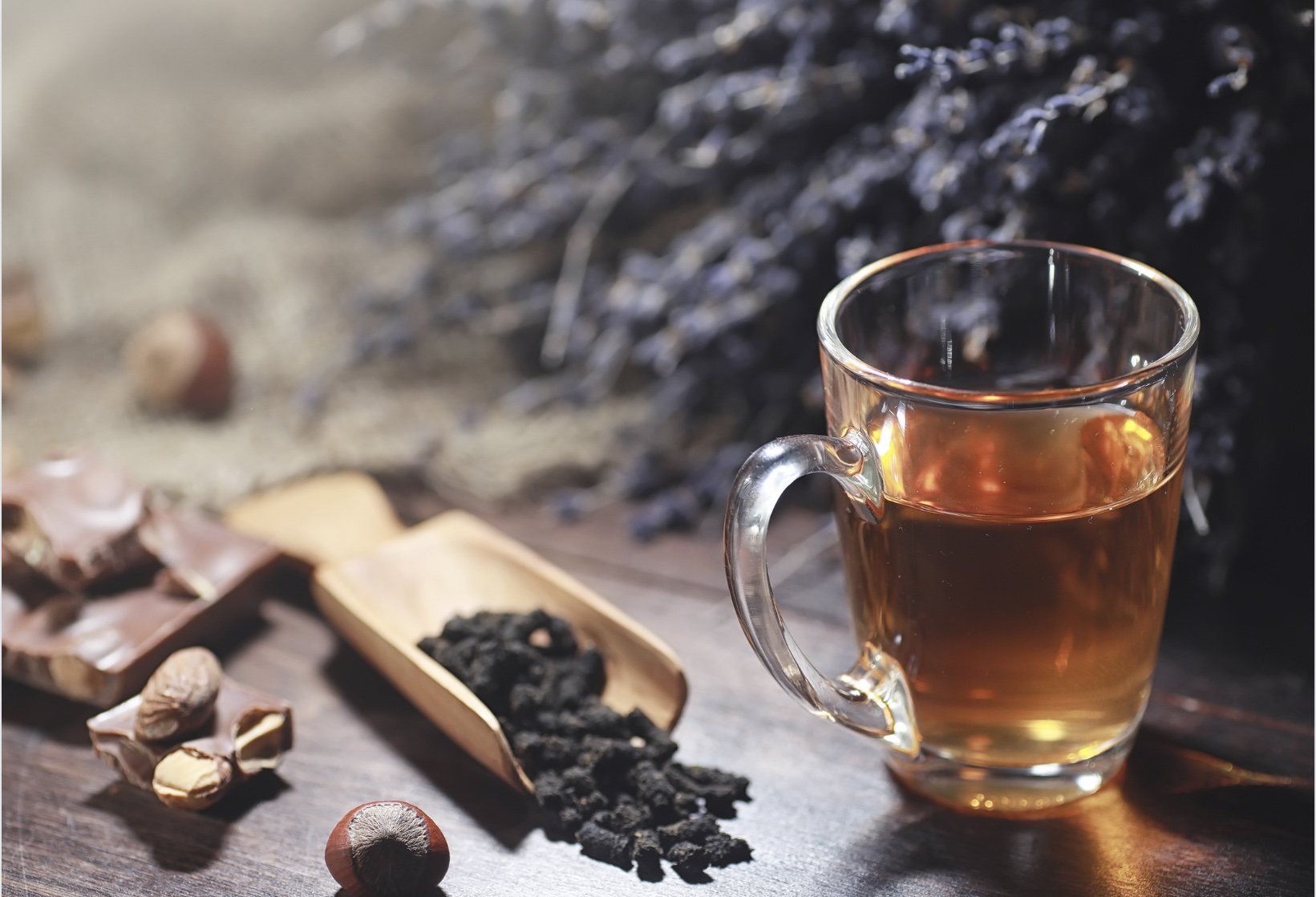
Welcome to the wonderful world of tea brewing! In this comprehensive guide, we will explore the art of brewing the perfect cup of tea, understand different tea types and varieties, and uncover the fascinating techniques from around the world. Whether you’re a tea enthusiast looking to enhance your brewing skills or a beginner eager to master the art, this article will quench your thirst for knowledge.
Understanding Tea Brewing
What is Tea Brewing?
tea brewing is the art and science of extracting the flavors and aromas from tea leaves using hot water. It’s a meticulously crafted process that has been refined over centuries, blending tradition with innovation. The key to a perfect brew lies in understanding the interplay of tea types, water temperature, and steeping time to achieve a harmonious balance of taste and fragrance.
- History of Tea Brewing:Explore the rich history and cultural significance of tea brewing, from its origins in ancient China to its global adoption as an integral part of social and ceremonial practices.
- Principles of Tea Brewing:Delve into the fundamental principles of tea brewing, including the role of oxidation, the impact of terroir on tea flavors, and the nuances of leaf grading and processing.
- Brewing Techniques:Discover the various brewing techniques such as gongfu cha, matcha preparation, and cold brewing, each offering unique experiences and sensory pleasures.
- Flavor Profile Development:Gain insight into the intricate flavors and aromatic profiles of different tea varieties, and learn how brewing methods can enhance or diminish these characteristics.
Tea Types and Varieties
Tea is a fascinating beverage with a wide array of types and varieties, each offering a unique and delightful sensory experience. Let’s delve deeper into the world of tea to explore its diverse range of flavors, aromas, and brewing techniques.
- black tea:known for its bold and robust flavors, black tea is a favorite choice for many tea enthusiasts. It undergoes full oxidation, resulting in a rich, dark liquor with deep, malty notes. some popular black tea varieties include assam, darjeeling, and earl grey.
- green tea:revered for its delicate and refreshing qualities, green tea is celebrated for its grassy, vegetal flavors and gentle floral undertones. It is produced through minimal oxidation, preserving its natural green color and vibrant flavors. Famous green tea varieties include Sencha, Matcha, and Jasmine Pearl.
- Oolong Tea: Sitting between black and green tea in terms of oxidation, oolong tea boasts a complex profile with floral, fruity, and toasty notes. its partial oxidation creates a diverse range of oolong teas, such as tie guan yin, da hong pao, and oriental beauty.
- white tea:with its subtle, sweet, and mellow flavors, white tea is renowned for its delicate nature. It undergoes minimal processing, allowing the natural essence of the tea plant to shine through. Silver Needle, White Peony, and Long Life Eyebrow are well-known white tea varieties.
- herbal blends:unlike traditional tea, herbal blends are crafted from various herbs, flowers, and spices, offering a diverse range of flavors and wellness benefits. Some popular herbal blends include Chamomile, Peppermint, and Rooibos.
understanding the characteristics of different tea types is essential for mastering the art of brewing the perfect cup. Each variety holds its own distinct story, reflecting the rich history and cultural significance of tea around the world.
Benefits of Brewing Tea
brewing tea is not only a delightful experience but also a practice that offers a multitude of health benefits. Let’s delve deeper into the various advantages of brewing and savoring a cup of tea:
- Antioxidant Power:Tea is rich in antioxidants, such as catechins and flavonoids, which help protect the body from harmful free radicals, thereby promoting overall health and well-being.
- stress relief:the process of brewing and enjoying a cup of tea can have calming and stress-relieving effects, providing a peaceful and revitalizing experience for both the mind and body.
- heart health:regular consumption of tea has been linked to improved heart health, including reduced risk of heart disease and lower levels of cholesterol.
- Hydration: Tea is an excellent source of hydration and can contribute to meeting daily fluid intake requirements, supporting optimal bodily functions.
- Weight Management:Certain varieties of tea, such as green tea, have been associated with aiding in weight management and boosting metabolism.
By exploring the numerous benefits of brewing tea, we gain a deeper appreciation for the enriching dimension that this art of preparation brings to our overall well-being.
The Art of Brewing the Perfect Cup
Choosing the Right Tea Leaves
when it comes to choosing the right tea leaves, there are several factors to consider in order to brew the perfect cup of tea. Delving into the world of tea leaves, it’s essential to understand the diverse varieties and their unique characteristics. Here’s a comprehensive guide to help you navigate through the fascinating realm of tea leaves:
- Types of Tea Leaves:Explore the different categories of tea, including black, green, white, oolong, and herbal tea. Each type offers a distinct flavor and aroma, providing a wide range of options for tea enthusiasts.
- Flavor Profiles: Understanding the flavor profiles of tea leaves is crucial in determining the ideal match for your taste preferences. From bold and robust flavors of black tea to the delicate and fresh notes of green tea, each variety offers a unique experience.
- Origin and Terroir:Delve into the origins of tea leaves and the concept of terroir, which influences the flavor, aroma, and characteristics of tea. Learn about renowned tea-growing regions and their signature characteristics.
- Processing Techniques:Learn about the processing methods involved in crafting different tea leaves. From withering and oxidation to rolling and drying, each process contributes to the final flavor and appearance of the tea.
- Brewing Considerations:Discover the brewing considerations specific to each type of tea. Explore the optimal water temperature, steeping time, and brewing vessels to unlock the full potential of tea leaves.
By gaining a deeper understanding of the diverse world of tea leaves, you’ll be equipped to make informed choices and create exceptional tea experiences that cater to your unique preferences.
Water and Temperature
The role of water and its temperature is vital in the art of brewing tea. The type of water and its temperature can drastically alter the flavors and aromas extracted from the tea leaves. Embracing the understanding of water quality and temperature nuances is fundamental in achieving the perfect brew that captures the essence of the tea.
Brewing Tools and Equipment
Having the right brewing tools and equipment enhances the entire tea brewing experience. From traditional teapots to modern infusers and precise temperature-controlled kettles, the choice of brewing tools can influence the brewing process. Exploring the array of brewing tools and equipment adds a layer of craftsmanship to the art of brewing tea.
Perfecting the Brewing Process
Steeping Time and Methods
The art of determining the ideal steeping time and method is a crucial element in brewing the perfect cup of tea. Whether it’s the delicate steeping of green tea or the bold infusion of black tea, understanding the appropriate steeping time and methods ensures that the flavors and aromas are harmoniously extracted, resulting in a delightful brew.
- Tea Type:Different types of tea, such as green, black, oolong, and herbal teas, require varying steeping times to achieve the best flavor profiles.
- Leaf Size and Grind:The size and grind of the tea leaves influence how quickly flavors are extracted. Finer tea leaves may release their flavors more rapidly than larger, more intact leaves.
- Water Temperature:The temperature of the water used for steeping impacts the rate at which the flavors are infused. Higher temperatures generally result in faster extraction of flavors.
- Tea Freshness: The freshness of the tea leaves can affect the steeping time, with fresher leaves requiring slightly shorter steeping durations.
There are various methods for steeping tea, each influencing the flavor and aroma in unique ways:
- Traditional Hot Steeping: This method involves steeping tea in hot water for a specific duration, often requiring careful attention to achieve the desired taste.
- Cold Brewing:Cold steeping allows for a slower extraction of flavors and can result in a smoother, less astringent brew, particularly suitable for certain tea types.
- Multiple Infusions: Some teas, especially high-quality loose-leaf varieties, can be steeped multiple times to reveal different flavor nuances in each infusion.
Enhancing Flavor and Aroma
Enhancing the flavor and aroma of brewed tea is an intricate and delightful pursuit that offers endless possibilities for exploration. by diving into the world of tea pairings, mix-ins, and brewing techniques, tea enthusiasts can unlock an array of sensory experiences that elevate the enjoyment of each cup.
Pairing tea with complementary flavors can significantly enhance its aroma and taste. For example, delicate green teas pair beautifully with fruity or floral notes, while robust black teas are enhanced by nutty or chocolaty accompaniments. Exploring these pairings opens up a whole new dimension of tea appreciation, allowing for a harmonious blend of flavors and aromas to unfold with each sip.
Experimenting with mix-ins presents a fascinating avenue for enhancing the depth and complexity of brewed tea. From a simple slice of lemon to the richness of honey or the earthy warmth of spices, mix-ins can transform a cup of tea into a personalized sensory experience. Furthermore, understanding the profile of different teas empowers enthusiasts to craft unique combinations that resonate with their individual preferences.
The brewing process itself plays a pivotal role in bringing forth the full spectrum of flavors and aromas within the tea leaves. Exploring various steeping methods, such as traditional steeping, cold brewing, or even the meticulous art of gongfu cha, unveils diverse dimensions of the brewed tea. Each method offers a unique approach to unlocking the essence of the tea, enriching the sensory experience for the discerning enthusiast.
Adding Mix-Ins and Accompaniments
Exploring the world of mix-ins and accompaniments offers a creative dimension to the tea brewing process. Whether it’s the addition of honey, milk, or spices, or pairing tea with delectable accompaniments, the art of enhancing the overall tea experience through thoughtful mix-ins and accompaniments adds a personal touch to the brewing ritual.
When it comes to adding mix-ins and accompaniments to tea, there are endless possibilities to explore. Here are some ways to elevate the tea brewing process:
- Sweeteners:Honey, agave nectar, and stevia can add natural sweetness to tea without overpowering its delicate flavors.
- Dairy: Milk, cream, or condensed milk can provide a creamy texture and smooth out the sharpness of certain teas.
- Spices: Cinnamon, ginger, and cardamom can infuse an array of flavors, adding depth and complexity to the tea.
Pairing your tea with the right accompaniments can enhance the overall experience. Here are some ideas for perfect pairings:
- Tea Biscuits:Delicate, buttery biscuits complement floral and light teas, such as green and white teas.
- Chocolate:Dark chocolate pairs well with robust black teas, while milk chocolate complements the sweetness of oolong teas.
- Fruit: Fresh fruit, such as berries and citrus, can refresh the palate and provide a delightful contrast to the tea.
Tea Brewing Techniques from Around the World
Traditional Chinese Tea Ceremony
The traditional Chinese tea ceremony is an embodiment of grace, mindfulness, and cultural significance. From the preparation of the tea to the intricacies of the pouring and serving rituals, this revered ceremony offers a profound insight into the art and philosophy of tea brewing, transcending mere preparation to become a deeply meaningful experience.
Japanese Matcha Preparation
Japanese matcha preparation is a ceremonial tradition that celebrates the beauty of simplicity and precision. From the stone-ground matcha powder to the graceful whisking technique, the art of matcha preparation embodies centuries-old rituals that emphasize the harmony between the mind, body, and spirit, creating an exquisite sensory experience.
Indian Chai Brewing
Indian chai brewing is a celebration of bold flavors, aromatic spices, and heartfelt hospitality. The traditional process of simmering tea leaves, spices, and milk creates a robust and invigorating concoction that holds a special place in Indian culture. Exploring the art of Indian chai brewing unveils a tapestry of tradition and warmth.
Indian chai, also known as masala chai, is a blend of black tea, aromatic spices, milk, and sweeteners. The key spices used in this concoction include:
- Cinnamon
- Cardamom
- Cloves
- Black pepper
- Ginger
The use of these spices imparts a rich and complex flavor profile to Indian chai, making it a truly unique and delightful beverage.
the process of brewing indian chai involves a harmonious union of the key ingredients.
- Boiling:Tea leaves, spices, and water are boiled together to extract their flavors.
- Addition of Milk: The addition of milk adds creaminess and a luxurious texture to the brew.
- Sweetener: Sugar or jaggery is added to balance the robust flavors and create a delightful sweetness.
Indian chai brewing extends far beyond the realms of a mere beverage. It is deeply intertwined with the social fabric of India. It’s a ritual of connection, a pause in the day, and a symbol of warmth and hospitality.
Conclusion
As we conclude this captivating journey through the art of tea brewing, may your newfound insights and knowledge enrich your tea experiences. Embrace the nuances, traditions, and creativity inherent in the world of tea brewing, and let each cup of brewed tea be a personal masterpiece that delights both the senses and the soul.