How to Make Herbal Tea: A Guide for Beginners
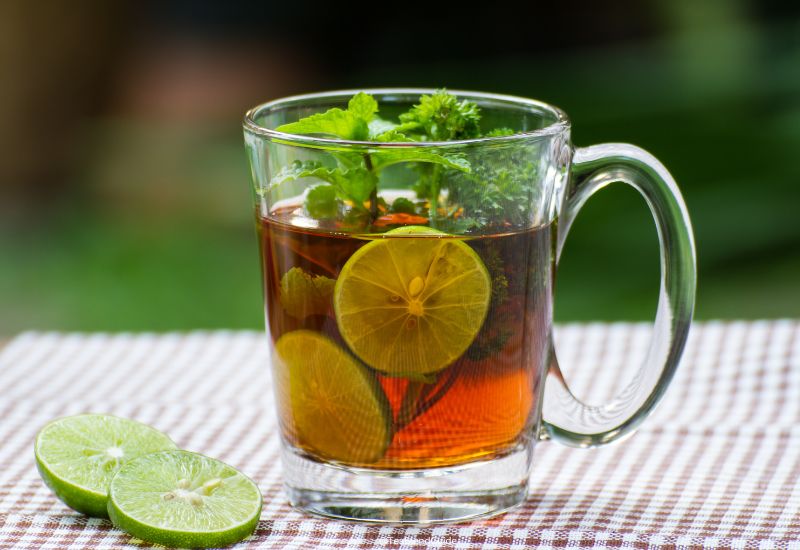
Welcome to the world of herbal tea! In this comprehensive guide, we will explore the intricate art of crafting and enjoying herbal tea. From its health benefits to the tantalizing recipes, this article aims to be your go-to resource for all things herbal tea.
Health Benefits of Herbal Tea
What is Herbal Tea?
Herbal tea, also known as tisane, is a delightful infusion made from the leaves, flowers, bark, roots, or seeds of various plants. Unlike traditional tea, herbal tea does not contain any leaves from the Camellia sinensis plant, making it a caffeine-free and versatile beverage. The vibrant world of herbal tea offers a myriad of flavors and health benefits.
Types of Herbal Tea
Herbal tea comes in a wide variety of types, each offering a unique taste and potential health benefits. Here are some popular types of herbal tea:
- Chamomile Tea:Chamomile tea is renowned for its calming properties and is often consumed to promote relaxation and better sleep. It is also known for its anti-inflammatory and digestive benefits.
- Peppermint Tea:Peppermint tea is refreshing and can aid in digestion. It is also known for its potential to relieve headaches and soothe an upset stomach.
- Ginger Tea:With its spicy and warming flavor, ginger tea is often used to soothe nausea, improve digestion, and boost immunity.
- Lemon Balm Tea:Lemon balm tea has a mild citrus flavor and is commonly enjoyed for its calming effects and potential to improve cognitive function.
- Hibiscus Tea:Hibiscus tea is known for its vibrant color and tart flavor. It is rich in antioxidants and may help in lowering blood pressure and improving liver health.
These are just a few examples of the many types of herbal tea available. Exploring the diverse world of herbal tea can lead to discovering new flavors, aromas, and wellness benefits.
Health Benefits
Herbal tea offers a plethora of health benefits, ranging from promoting relaxation to boosting immunity. Depending on the ingredients used, herbal teas can aid digestion, reduce inflammation, and provide antioxidant support. The natural compounds found in herbal teas contribute to overall well-being and vitality.
Below a table summarizing the health benefits of various herbal teas:
| Herbal Tea | Health Benefits |
|---|---|
| Ginger | – Reduces nausea and period pain – Improves blood sugar and lipid levels in people with diabetes |
| Hibiscus | – May reduce blood pressure – Improves cholesterol levels – Decreases oxidative stressEchinacea- Boosts immune system – May shorten duration and severity of common cold |
| Rooibos | – Potential anti-allergy effects – May improve bone health by inhibiting osteoclasts – Could lower blood pressure and cholesterolSage- Improves cognitive function and memory, especially in Alzheimer’s patients – May lower total and LDL cholesterol |
| Lemon Balm | – Improves arterial stiffness, a risk factor for heart disease and stroke – Increases body’s natural antioxidant enzymes – Reduces symptoms of depression and anxietyRose Hip- High in vitamin C and anti-inflammatory compounds – May reduce inflammation and pain in rheumatoid arthritis – Could aid in weight management by decreasing BMI and belly fatPassionflower- Traditionally used to relieve anxiety and improve sleep – Some studies show improved sleep quality and reduced anxiety |
| Chamomile | – Helps with relaxation and better sleep – May alleviate postpartum depression – Promotes a sense of calm |
Selecting Ingredients for Herbal Tea
Choosing Herbs and Spices
When it comes to selecting herbs and spices for herbal tea, there is a wide array of options to consider, each offering unique flavors and potential health benefits. Understanding the characteristics and properties of these natural ingredients is essential for crafting a delightful and beneficial herbal tea blend. Let’s delve into the details of some popular herbs and spices commonly used in herbal teas:
- Mint: Known for its refreshing and soothing qualities, mint is a versatile herb that adds a delightful coolness to herbal teas. It is also valued for its digestive benefits and ability to ease tension.
- Lavender: With its beautiful floral aroma and calming properties, lavender is a popular choice for promoting relaxation and relieving stress. It can impart a gentle yet enchanting flavor to herbal tea blends.
- Cinnamon:This warm and aromatic spice not only lends a delightful sweetness to herbal teas but also offers potential health benefits, such as antioxidant and anti-inflammatory properties.
- Lemongrass: Renowned for its bright citrus flavor and subtle hint of earthiness, lemongrass is often included in herbal tea blends to provide a zesty and refreshing note.
Tea Base Options
When it comes to herbal tea, the choice of tea base plays a crucial role in determining the overall flavor profile and health benefits. Let’s delve deeper into the various tea base options and their unique characteristics:
Green Tea Base:
Green tea serves as an excellent base for light and refreshing herbal teas. Its subtle grassy flavor complements delicate herbs like mint, lemongrass, and chamomile. Furthermore, it adds a delightful antioxidant boost to the herbal infusion, making it a healthy choice for tea enthusiasts.
Black Tea Base:
For robust and full-bodied herbal teas, black tea presents a perfect foundation. The earthy and malty notes of black tea harmonize well with strong herbs such as ginger, cinnamon, and cloves. This base not only contributes to the depth of flavor but also provides a comforting warmth to the herbal blend.
White Tea Base:
With its subtle and sweet undertones, white tea creates a gentle backdrop for delicate herbal ingredients. Its mellow and slightly floral essence pairs beautifully with light botanicals like jasmine, hibiscus, and lavender, resulting in a harmonious and fragrant tea experience.
By exploring and understanding the diverse tea base options, tea lovers can tailor their herbal blends to suit their preferences, whether seeking a soothing, invigorating, or comforting cup of herbal tea.
Preparing and Brewing Herbal Tea
Preparation Methods
When it comes to preparing herbal tea, there are several methods that can be used to extract the flavors and benefits of the herbs. Let’s explore these methods in more detail:
- Infusions: This method involves steeping the herbs in hot water, allowing the flavors and properties to be released into the water. Infusions are the most common way of preparing herbal tea and are suitable for delicate herbs and flowers.
- Decoctions:Decoctions involve simmering tougher parts of the plants, such as roots, bark, and stems, in water to extract their medicinal properties. This method is ideal for extracting the benefits of tougher herbs.
- Cold Brews: Unlike hot infusions, cold brews involve steeping the herbs in cold water over a longer period to produce a smooth and mellow tea with less bitterness. This method is perfect for creating refreshing herbal iced teas.
Each technique brings out the unique flavors and properties of the herbal ingredients. Mastering the art of preparation is essential for achieving the perfect cup of herbal tea. To ensure the best results, it’s important to consider the following factors:
- The type and quality of herbs being used.
- The temperature and duration of steeping.
- The water-to-herb ratio.
By paying attention to these details, you can enhance the aroma, flavor, and health benefits of your herbal tea. Experiment with different methods and variables to find the perfect combination for your preferred cup of herbal tea.
Brewing Techniques
When it comes to brewing herbal tea, there are several essential techniques to consider in order to achieve the perfect cup of tea:
- Temperature: The temperature of the water can significantly impact the flavor and benefits of herbal tea. Different types of herbal teas require different water temperatures for brewing. For instance, delicate floral blends such as chamomile and hibiscus are best brewed with water just below boiling, around 90°C (194°F), to prevent scalding the delicate petals and preserving their flavors. In contrast, robust herbal blends like ginger or cinnamon require boiling water, around 100°C (212°F), to extract their bold flavors and health properties.
- Steeping Time: The duration for which the herbs are allowed to steep in hot water plays a vital role in determining the strength and flavor profile of the tea. Generally, herbal teas need to steep for 5-7 minutes to achieve the desired taste. Steeping for longer periods may result in a stronger, more concentrated flavor, while steeping for a shorter time can result in a lighter, milder taste.
- Water Quality: The quality of water used for brewing herbal tea is often overlooked but can greatly affect the overall taste. It is recommended to use filtered or spring water to ensure a clean, pure base for the herbal infusion. Tap water with a high mineral content or a strong chlorine taste may alter the flavor of the tea.
Mastering these brewing techniques is essential for unlocking the full potential of herbal teas, allowing you to savor their unique flavors and benefits with each comforting sip.
Flavoring and Sweetening Herbal Tea
Natural Flavoring Options
Enhancing herbal tea with natural flavors opens up a world of creative possibilities.
- Fresh Citrus Zest:Fresh citrus zest adds a bright and vibrant flavor to herbal teas, providing a refreshing and invigorating taste experience.
- Aromatic Herbs: Aromatic herbs such as mint, lavender, and lemongrass can be used to infuse herbal teas with delightful fragrance and subtle undertones of flavor.
- Dried Fruits:Dried fruits like berries, apricots, and apples bring a touch of natural sweetness and a hint of tartness to herbal tea blends, imparting a rich and luscious taste profile.
The careful selection of natural flavoring options can elevate the sensory experience of herbal tea, providing a delightful and harmonious fusion of aroma and taste.
Sweetening Choices
When it comes to sweetening herbal tea, there is a delightful array of options to explore. Each sweetening choice not only adds sweetness but also brings unique flavors and characteristics to the tea. Let’s delve deeper into the world of sweetening herbal tea to uncover the variety of choices available:
- Honey: Known for its natural sweetness, honey is a popular choice for sweetening herbal tea. It adds a rich and distinct flavor, enhancing the overall taste experience.
- Maple Syrup: With its deep, earthy sweetness, maple syrup complements herbal teas with robust flavors, such as black tea or chai, creating a harmonious blend of tastes.
- Stevia: As a natural, zero-calorie sweetener, stevia offers a sweetening option for those seeking to minimize sugar intake. It imparts a clean, sweet taste to herbal teas without the added calories.
- Agave Nectar:Boasting a mild and neutral sweetness, agave nectar blends seamlessly with herbal teas, providing a subtle sweet touch without overwhelming the tea’s natural flavors.
- Raw Sugar: For those who prefer a traditional sweetener, raw sugar provides a familiar sweetness that complements a wide range of herbal tea varieties, adding a comforting and familiar taste.
Exploring these sweetening choices allows tea enthusiasts to customize their herbal tea experience, tailoring the sweetness and flavor to suit their individual preferences. Whether it’s the distinct floral notes of honey, the earthy richness of maple syrup, or the clean sweetness of stevia, each sweetening option invites an exploration of sensory delights in every cup of herbal tea.
Herbal Tea Recipes
Basic Herbal Tea Recipe
A simple and soothing herbal tea recipe involves steeping chamomile flowers, dried lavender, and mint leaves in hot water for a calming infusion. This basic herbal tea recipe serves as a foundation for exploring the world of herbal tea blends and can be customized to suit personal preferences.
Popular Herbal Tea Blends
The world of herbal teas is brimming with an incredible variety of blends, each with its own unique flavor profile and health benefits.
Ginger-Turmeric Blend:
Combining the warming, zesty flavor of ginger with the earthy, aromatic notes of turmeric, this blend offers a harmonious fusion of flavors and is renowned for its anti-inflammatory properties.
Hibiscus-Rosehip Blend:
The vibrant, tangy infusion of hibiscus paired with the sweet, citrusy flavor of rosehip creates a tantalizing blend that is packed with vitamin C and known for its immune-boosting properties.
Lemongrass-Ginger Blend:
This refreshing blend brings together the bright, citrusy aroma of lemongrass with the spiciness of ginger, delivering a soothing and invigorating beverage that aids digestion and promotes relaxation.
Chamomile-Lavender Blend:
Combining the gentle, floral notes of chamomile with the fragrant, soothing essence of lavender, this blend is beloved for its calming effects and is often enjoyed as a bedtime tea to promote restful sleep.
Peppermint-Spearmint Blend:
The cool, refreshing flavor of peppermint combined with the slightly sweeter taste of spearmint creates a revitalizing blend that supports digestion, freshens breath, and provides a delightful pick-me-up.
Storing and Serving Herbal Tea
Storage Tips
Proper storage is essential for maintaining the quality and freshness of herbal tea. Store herbal teas in airtight containers away from direct sunlight and moisture to preserve their flavors and aromas. Adhering to appropriate storage practices ensures that herbal teas retain their optimal qualities.
- Airtight containers are essential for preserving the flavors and aromas of herbal teas.
- Keep herbal teas away from direct sunlight to prevent deterioration of quality.
- Moisture exposure can affect the freshness of herbal teas, so store them in a dry environment.
- Label the containers with the name and date of the herbal tea to maintain freshness and identify different blends.
Serving Suggestions
When serving herbal tea, consider the visual presentation and sensory experience for an elevated enjoyment. Garnishing with fresh herbs, serving in elegant teaware, and offering complementary pairings enhances the overall tea-serving experience. Thoughtful serving suggestions contribute to the holistic pleasure of herbal tea consumption.
Conclusion
As we conclude our exploration of herbal tea, it’s evident that this revered beverage extends beyond mere refreshment. With its diverse flavors, wellness properties, and customizable nature, herbal tea stands as a testament to the artistry of tea crafting. Embrace the world of herbal tea, and indulge in its enriching flavors and holistic benefits.