Tea Blending and Cultural Traditions Around the World
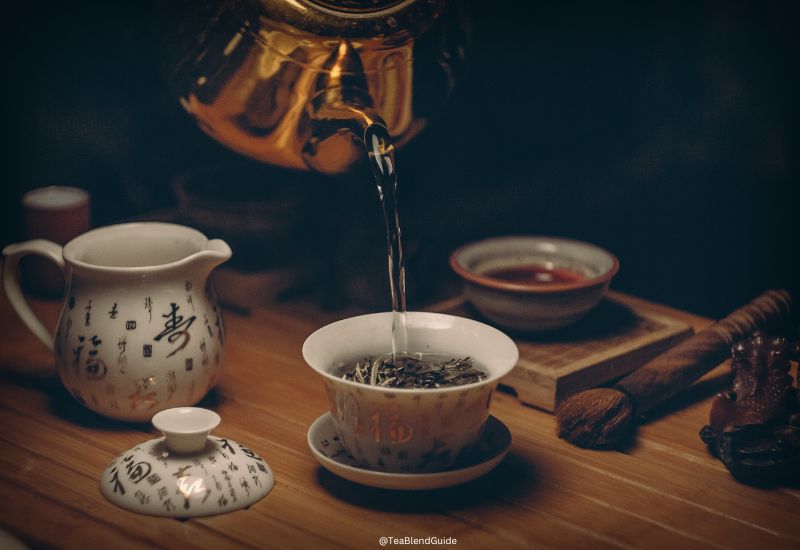
Welcome to the world of tea blending, where tradition, culture, and wellness converge in a delightful cup of harmony. In this comprehensive guide, we will explore the rich history, cultural significance, techniques, and health benefits of tea blending. Join us on a journey through time and tradition as we uncover the art of tea blending and its profound impact on global cultural traditions.
History of Tea Blending
Origins of Tea Blending
the origins of tea blending can be traced back to ancient china, where the art of blending various tea leaves and herbs was cultivated. The early tea merchants experimented with different combinations, seeking a perfect balance of flavors and aromas. This practice later spread to other regions, each adding its own unique touch to the tradition.
Evolution of Tea Blending Practices
Tea blending is an intricate art that has evolved over centuries, shaped by cultural exchanges, trade routes, and the amalgamation of diverse techniques and ingredients. The interplay of various civilizations along the historic Silk Road significantly influenced the blending of tea and spices, giving rise to innovative methods and a spectrum of flavor profiles.
Here are some key points that highlight the evolution of tea blending:
- Cultural Influence:As tea traversed continents, it absorbed the preferences and customs of each culture it encountered, resulting in a fascinating tapestry of blending traditions.
- Global Exchange:The global trade routes facilitated the exchange of not only tea leaves but also diverse spices and herbs, enriching the blending landscape.
- Technological Advancements:The advancements in tea processing techniques and machinery enabled the creation of more intricate blends, leading to an explosion of innovation in tea blending.
- Modern Innovations:In the contemporary era, the art of tea blending continues to evolve with the infusion of modern technologies and the exploration of new flavor combinations, catering to diverse tastes around the world.
Cultural Significance of Tea Blending
Tea Blending in Asian Cultures
In various Asian cultures, tea blending has been an integral part of social rituals and ceremonies, symbolizing harmony and hospitality. From the intricate tea ceremonies of Japan to the bold flavors of Indian masala chai, tea blending reflects the cultural diversity and reverence for tradition.
- Chinese Tea Blending:Chinese tea culture boasts a rich history of tea blending, with a focus on creating balanced and harmonious blends that incorporate different types of tea leaves and aromatic ingredients.
- South Korean Tea Blending:In South Korea, traditional methods of tea blending are practiced, often incorporating unique ingredients such as roasted grains and medicinal herbs to create distinctive flavors.
- Thai Tea Blending:The art of blending tea in Thailand is characterized by a combination of sweet, floral, and spicy notes, influenced by the country’s vibrant culinary heritage.
Tea Blending in Middle Eastern Cultures
In Middle Eastern cultures, tea blending is an art form that combines spices, herbs, and teas to create aromatic and invigorating blends. The serving of tea is a gesture of hospitality and warmth, deeply rooted in the region’s cultural fabric, offering a blend of tradition and flavor in every cup.
Tea Blending in Western Cultures
Western cultures have a rich history of incorporating tea blending into their traditions. The diversity of Western tea blends reflects the multicultural influences and the creativity of tea enthusiasts. Here are some key aspects of tea blending in Western cultures:
- European Tea Blends: European countries have their unique tea blends, each capturing the essence of their cultural heritage. For example, English breakfast tea is a robust blend ideal for starting the day, while afternoon teas offer a more delicate and refreshing experience.
- Innovative Flavors:Modern tea blending in the West focuses on innovative flavor combinations, incorporating fruits, spices, and floral elements to create enticing and diverse blends. This approach adds a contemporary twist to traditional tea blending.
- Cultural Adaptation:Western cultures have adapted tea blending to suit evolving tastes and preferences. This adaptability has led to the creation of unique tea blends that cater to a wide range of palates, making tea blending a dynamic and ever-changing tradition.
Here is a table summarizing some key aspects of tea blending in different cultures:
| CultureCommon IngredientsCharacteristicsChineseJasmine, chrysanthemum, rose, fruitsFocus on health benefits and natural flavors. Famous blends include jasmine tea and Eight Treasures tea. | ||
|---|---|---|
| Indian | Spices like ginger, cardamom, cinnamon, cloves | Strong, spicy flavors. Masala chai is the most well-known Indian tea blend. |
| BritishBlack teas from India, Sri Lanka, Kenya, ChinaBold, robust flavors designed for adding milk and sugar. Popular blends include English Breakfast and Earl Grey. | ||
| JapaneseGreen tea as a base, matcha powderEmphasis on green tea, with matcha providing a rich umami flavor. Genmaicha (with roasted rice) is a classic blend. | ||
| Middle EasternStrong black tea, sweetened condensed milkVery strong, sweet teas are favored, often boiled rather than steeped. | ||
| American | Wide variety of ingredients from fruits to spices to flowers | Diverse range of flavors from fruity to spicy to floral, catering to many tastes. Brands create signature blends. |
Tea Blending Techniques
Traditional Tea Blending Methods
- Traditional tea blending methods encompass a rich history dating back centuries, rooted in the ancient traditions of tea culture.
- The process begins with the careful selection of premium tea leaves, sourced from renowned plantations that boast exceptional quality and unique flavor profiles.
- Expert herbalists and tea masters skillfully incorporate a diverse array of handpicked herbs and spices, each chosen for its distinct aromatic properties and complementary flavors.
- These premium ingredients are meticulously combined to achieve a harmonious balance of flavors, ensuring a sensory journey that delights the palate and soothes the soul.
- Age-old steeping techniques are employed to allow the flavors to intermingle, unveiling the complex layers of taste and fragrance that define traditional tea blends.
- Every aspect of the blending process is steeped in tradition and cultural significance, preserving the authenticity of classic blends and inviting tea connoisseurs into a world of timeless elegance.
Modern Tea Blending Innovations
Modern tea blending innovations herald a new era of experimentation and creativity, fusing traditional craftsmanship with contemporary artistry. Advanced blending technologies, flavor profiling, and sustainability initiatives have redefined the landscape of tea blending, inspiring a renaissance of flavors and wellness-infused blends.
Health Benefits of Tea Blending
Wellness Teas and Herbal Blends
wellness teas and herbal blends offer a holistic approach to health and vitality, harnessing the natural benefits of botanical ingredients. From soothing chamomile blends to invigorating green tea infusions, these blends nurture the body and soothe the soul, embracing centuries-old wisdom in every cup.
Wellness teas and herbal blends have been used for centuries in traditional medicine to address various health concerns. The combination of different herbs and botanicals in these blends offers a wide range of therapeutic benefits for the mind and body. Some examples include:
- Chamomile Blend:Known for its calming properties, chamomile blends are ideal for promoting relaxation and improving sleep quality. The soothing effects also make it a popular choice for alleviating stomach discomfort and indigestion.
- Peppermint Infusion:Peppermint is often used to aid digestion, reduce bloating, and relieve tension headaches. Its refreshing taste and aroma make it a delightful addition to wellness teas and herbal blends.
- Lemon and Ginger Blend: This blend offers a refreshing and invigorating combination. The zesty taste of lemon combined with the warmth of ginger provides a comforting beverage that can help combat cold symptoms and support digestion.
- Echinacea and Elderflower Infusion: Widely recognized for their immune-boosting properties, echinacea and elderflower are often combined to create a potent wellness infusion. Regular consumption can help strengthen the body’s defenses against common illnesses.
Nutritional Content of Blended Teas
Blended teas are a treasure trove of nutrition, offering a diverse range of health benefits and essential nutrients. The fusion of different tea varieties and botanicals culminates in a harmonious blend that nourishes the body and soul. Let’s delve deeper into the nutritional components of blended teas:
- Antioxidants:Blended teas are rich in antioxidants, such as catechins and polyphenols, which help protect the body against free radicals and reduce the risk of chronic diseases.
- Vitamins:These teas are packed with essential vitamins, including vitamin C, vitamin E, and various B vitamins, contributing to overall health and vitality.
- Minerals:Blended teas provide an array of minerals like potassium, magnesium, and calcium, essential for maintaining proper bodily functions and promoting bone health.
- Amino Acids:The amino acids present in blended teas, such as L-theanine, promote relaxation, mental clarity, and a sense of well-being.
- Flavonoids:The presence of flavonoids in blended teas supports cardiovascular health, reduces inflammation, and may help improve blood circulation.
Tea Blending and Cultural Traditions Conclusion
As we conclude our exploration of tea blending and cultural traditions, we invite you to immerse yourself in the artistry, history, and healthful revelations encapsulated in every blend. From the ancient origins to the modern innovations, tea blending transcends borders and unites cultures through the universal language of fragrance, flavor, and fellowship. Embrace the traditions, savor the diversity, and raise your cup to the timeless ritual of tea blending.