The Role of Tea Manufacturers in Shaping Consumer Preferences
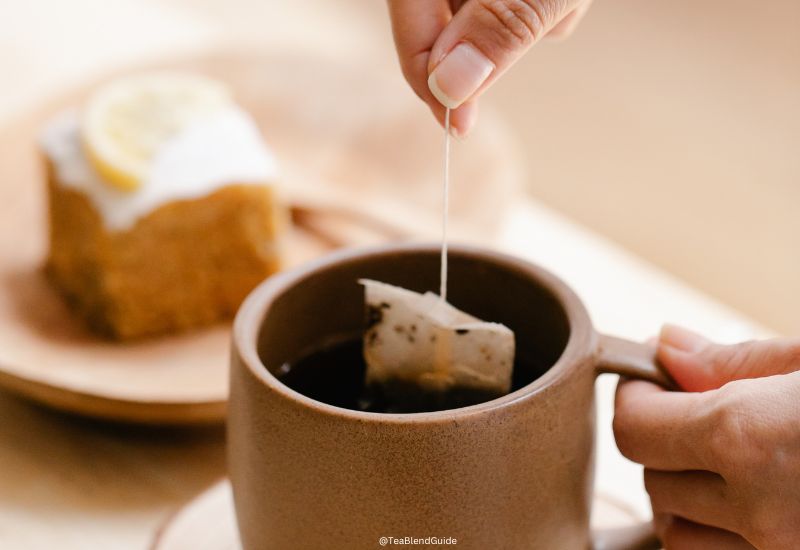
Welcome to the world of tea blends, where tradition meets innovation, and consumer preferences shape the industry. In this comprehensive guide, we will delve into the intricacies of tea manufacturing, the evolving landscape of consumer preferences, and the impact of quality standards on consumer choices. From exploring sustainability in tea manufacturing to analyzing market dynamics and consumer behavior, we will uncover the key factors that drive the tea industry forward. So, grab your favorite cup of tea and join us on this enriching journey through the world of tea manufacturing and consumer preferences.
Understanding the Tea Industry and Consumer Preferences
Exploring the Evolution of Tea Manufacturing
Tea manufacturing has a rich history dating back to ancient civilizations, where it was cherished for its medicinal properties and aromatic flavors. The evolution of tea manufacturing has witnessed remarkable advancements, from hand-picked to mechanized harvesting, and from traditional brewing methods to state-of-the-art production techniques. By understanding this evolution, we gain valuable insights into the craftsmanship and artistry that define the tea industry today.
Factors Influencing Consumer Preferences
Consumer preferences play a pivotal role in shaping the tea industry. Factors such as flavor profiles, caffeine content, and packaging aesthetics influence consumers’ purchasing decisions. Furthermore, the growing demand for organic and sustainable tea products has redefined consumer preferences, driving manufacturers to adapt to eco-friendly practices and ethical sourcing. By delving into these factors, we unravel the intricate tapestry of consumer preferences and their impact on tea manufacturing.
Consumer preferences are multifaceted, encompassing various elements that drive their choices in the tea industry. Let’s explore the intricate details that contribute to shaping consumer preferences in the world of tea.
The Significance of Sustainability in Tea Manufacturing
Sustainability is a critical factor in modern tea manufacturing, encompassing a wide range of practices that promote environmental responsibility, resource conservation, and ethical production. It goes beyond mere compliance with regulations and instead reflects a proactive commitment to preserving the natural ecosystems that support tea cultivation.
Let’s delve into the multifaceted significance of sustainability in the tea industry:
- Environmental Stewardship:Sustainable tea manufacturing prioritizes the protection of biodiversity, soil health, and water resources. Through responsible agricultural practices and ecosystem-friendly techniques, it aims to minimize the ecological footprint of tea production.
- Community Empowerment: Sustainability initiatives in tea manufacturing often extend to fostering the well-being of local communities. Empowering small-scale farmers and ensuring fair wages are integral to sustaining the social fabric of tea-growing regions.
- Quality Assurance:By embracing sustainable methods, tea manufacturers uphold the quality and purity of their products. This is achieved through organic farming, natural pest control, and responsible processing, ultimately delivering a superior tea-drinking experience to consumers.
- Consumer Awareness: The rise of environmentally conscious consumers has amplified the relevance of sustainability in tea manufacturing. Brands that transparently communicate their sustainable practices gain favor among discerning buyers who seek ethical and eco-friendly tea options.
Moreover, sustainability resonates with the overarching ethos of tea culture, which venerates harmony with nature and the interconnectedness of all living beings. Through sustainable tea manufacturing, an age-old tradition is revitalized with a contemporary commitment to environmental and social well-being.
Impact of Marketing Strategies on Consumer Choices
Marketing strategies wield a significant influence on consumer choices within the tea industry. From compelling storytelling to experiential branding, marketing tactics shape consumers’ perceptions and purchasing behaviors. The art of marketing in tea manufacturing extends beyond product promotion to crafting narratives that resonate with consumers’ emotions and aspirations. By delving into the impact of marketing strategies, we uncover the art and science of influencing consumer choices within the dynamic tea industry.
Quality Standards and Impact on Consumer Preferences
Certifications and Consumer Trust
In the realm of tea manufacturing, certifications serve as beacons of trust, assuring consumers of quality, authenticity, and ethical practices. From organic certifications to fair trade labels, these endorsements not only validate the quality of tea products but also foster consumer trust. By understanding the significance of certifications, we unravel the intrinsic connection between quality standards and consumer trust, elucidating the pivotal role they play in shaping consumer preferences.
Quality Control in Tea Manufacturing
Quality control is the cornerstone of tea manufacturing, ensuring that every leaf embodies the essence of purity and excellence. Rigorous quality control processes, spanning cultivation to packaging, safeguard the integrity of tea products, upholding uncompromising quality standards. By delving into quality control practices, we uncover the meticulous art of preserving the quintessence of tea, underscoring its impact on consumer preferences.
- Harvesting: The timing and method of harvesting greatly influence the flavor and quality of the tea. Hand-picking, for instance, ensures that only the finest leaves are selected.
- Processing Techniques: Different processing methods, such as withering, rolling, oxidation, and drying, contribute to the unique characteristics of various tea varieties.
- Storage and Packaging: Proper storage and packaging are essential to preserve the freshness and flavor of the tea, maintaining its quality until consumption.
Quality control plays a pivotal role in the tea industry by maintaining the authenticity and integrity of the final product. It ensures that every cup of tea delivers a consistent, exceptional experience to consumers, thereby fostering trust and loyalty.
Relationship Between Quality and Consumer Loyalty
The relationship between quality and consumer loyalty is profound, with discerning tea enthusiasts seeking excellence and consistency in their preferred blends. Exceptional quality fosters a sense of loyalty, cultivating enduring relationships between consumers and tea manufacturers. By exploring the symbiotic bond between quality and consumer loyalty, we gain insights into the enduring allure of exceptional tea products and their influence on consumer preferences.
Understanding Consumer Perception of Quality
Consumer perception of quality transcends the tangible aspects of tea products, encompassing sensory experiences and emotional resonance. By delving into the intricacies of consumer perception, we unravel the subjective dimensions that shape quality preferences. Understanding consumer perception empowers tea manufacturers to align their offerings with the nuanced expectations of diverse consumer segments, thereby enriching the landscape of consumer preferences.
- Sensory Evaluation:Consumers evaluate the texture, aroma, flavor, and aftertaste of tea products to gauge their perception of quality.
- Brand Identity: The reputation and brand image of a tea manufacturer greatly influence consumer perception of quality.
- Emotional Connection:The emotional response elicited by tea consumption plays a significant role in shaping consumer perception of quality.
Innovation in Tea Manufacturing: Meeting Consumer Demands
Trends in Tea Production and Innovation
The landscape of tea production is continuously shaped by evolving consumer demands and innovative trends. From gourmet infusions to wellness blends, the realm of tea manufacturing is replete with dynamic trends that cater to diverse consumer preferences. By examining these trends, we uncover the dynamic tapestry of innovation that propels the tea industry forward, attuning its offerings to the ever-evolving landscape of consumer demands.
Adapting to Consumer Preferences through Product Development
Tea manufacturing is a delicate art that requires a deep understanding of consumer preferences. By aligning product development with evolving trends and tastes, tea manufacturers can create offerings that truly resonate with their target audience. Let’s delve deeper into the nuances of adapting to consumer preferences through product development:
- Market Research: Conducting comprehensive market research to identify emerging flavor trends, health consciousness, and sustainability preferences among consumers.
- Flavor Innovation: Experimenting with a wide range of flavor profiles, including floral, fruity, herbal, and spicy blends to cater to diverse taste preferences.
- Functional Benefits:Highlighting the functional benefits of tea, such as antioxidant properties, relaxation effects, and energy-boosting qualities, to appeal to health-conscious consumers.
- Customization Options: Offering customization options for tea blends, such as personalized flavor combinations and caffeine levels, to meet individual preferences.
- Eco-Friendly Packaging: Embracing sustainable packaging solutions, such as biodegradable materials and eco-conscious designs, to align with environmentally conscious consumer values.
By incorporating these strategies, tea manufacturers can not only meet but exceed consumer expectations, creating a strong connection between the products and the lifestyles of their target audience.
The Role of Technology in Streamlining Manufacturing Processes
Technology plays a pivotal role in modern tea manufacturing, revolutionizing traditional processes and fostering innovation. The infusion of technology into every aspect of tea production has led to remarkable advancements in efficiency, quality, and consumer satisfaction. Let’s delve deeper into the multifaceted impact of technology on streamlining manufacturing processes:
Modern tea manufacturing leverages precision machinery that excels in sorting, cutting, and handling tea leaves with unparalleled accuracy. These advanced machines ensure consistent quality and purity, optimizing the entire leaf processing phase.
Another crucial facet of technological integration is the use of state-of-the-art packaging solutions. This includes automated packaging lines, vacuum-sealing technology, and eco-friendly packaging materials, all of which contribute to extending the shelf life of tea products while minimizing environmental impact.
Technology has given rise to sophisticated automated quality control systems that monitor every stage of the manufacturing process. From monitoring moisture levels in tea leaves to conducting real-time assessments of product quality, these systems ensure that every batch of tea meets stringent quality standards.
Far from compromising authenticity, technology has enhanced the art of tea manufacturing by preserving the unique characteristics of each tea variety. Through advanced processing techniques and controlled environments, technology ensures that the essence and flavor profiles of teas remain true to their origins.
By embracing technology, the tea industry has nurtured a harmonious coexistence between age-old traditions and cutting-edge innovation. This synergy reflects a deep understanding of heritage while propelling tea manufacturing into a future defined by precision, sustainability, and excellence.
Sustainable Packaging and Its Influence on Consumer Choices
Sustainable packaging resonates deeply with environmentally conscious consumers, reflecting a commitment to eco-friendly practices and ethical stewardship. In the realm of tea manufacturing, sustainable packaging not only aligns with consumer values but also reinforces the narrative of conscious innovation. By delving into sustainable packaging, we uncover the profound impact it exerts on consumer choices, shaping the ethos of responsible consumption in the tea industry.
Market Analysis and Consumer Engagement Strategies
Understanding Market Dynamics and Consumer Behavior
In the dynamic landscape of the tea industry, market dynamics and consumer behavior intertwine to shape industry trends and market movements. By dissecting market dynamics and consumer behavior, we unravel the intricate forces that underpin consumer preferences and industry shifts, providing valuable insights for tea manufacturers seeking to navigate this dynamic terrain.
Consumer Engagement through Social Responsibility Initiatives
Social responsibility initiatives form an integral dimension of consumer engagement, fostering an emotional bond between consumers and tea manufacturers. From ethical sourcing practices to community empowerment endeavors, consumer engagement transcends transactional relationships, nurturing a sense of purpose and resonance. By exploring these initiatives, we unveil the profound impact of social responsibility on consumer engagement and the community fabric of the tea industry.
The Power of Branding in Influencing Consumer Preferences
Branding transcends the tangible attributes of tea products, encompassing narratives, values, and brand ethos that intertwine with consumer preferences. The power of branding lies in its ability to evoke emotions, cultivate loyalty, and resonate with the aspirations of consumers. By unraveling the dynamics of branding, we gain insights into the art and science of sculpting brand narratives that captivate and influence consumer preferences within the vibrant tapestry of the tea industry.
Analyzing Consumer Feedback for Product Development
Consumer feedback is a vital source of information for product development, providing valuable insights into consumer preferences and market demands. By analyzing consumer feedback, tea manufacturers can uncover actionable data that drives product innovation and improvement. This process fosters a culture of continuous enhancement and customer-centric innovation, ensuring that tea offerings align closely with consumer needs and preferences.
- Identification of Key Consumer Preferences:Through the analysis of feedback, manufacturers can identify and prioritize key preferences and dislikes of consumers, enabling the development of tailored products that resonate with target audiences.
- Insights for Product Enhancement: Detailed feedback analysis reveals areas for product refinement and enhancement, guiding manufacturers in making strategic improvements to their offerings to better meet consumer needs.
- Market Gap Identification: By understanding consumer feedback, manufacturers can identify unmet needs and market gaps, allowing for the creation of new and innovative tea products that address these gaps.
Conclusion
As we conclude this enriching exploration of the tea industry and consumer preferences, we are reminded of the dynamic interplay between tradition, innovation, and consumer expectations. The nuanced landscape of tea manufacturing reflects a tapestry of artistry, sustainability, and consumer-centric ethos, shaping an industry that resonates with the diverse preferences and values of tea enthusiasts. With an unwavering commitment to quality, sustainability, and consumer engagement, the tea industry continues to evolve, inspiring delight and satisfaction with every sip, while the journey continues into the future of tea manufacturing.